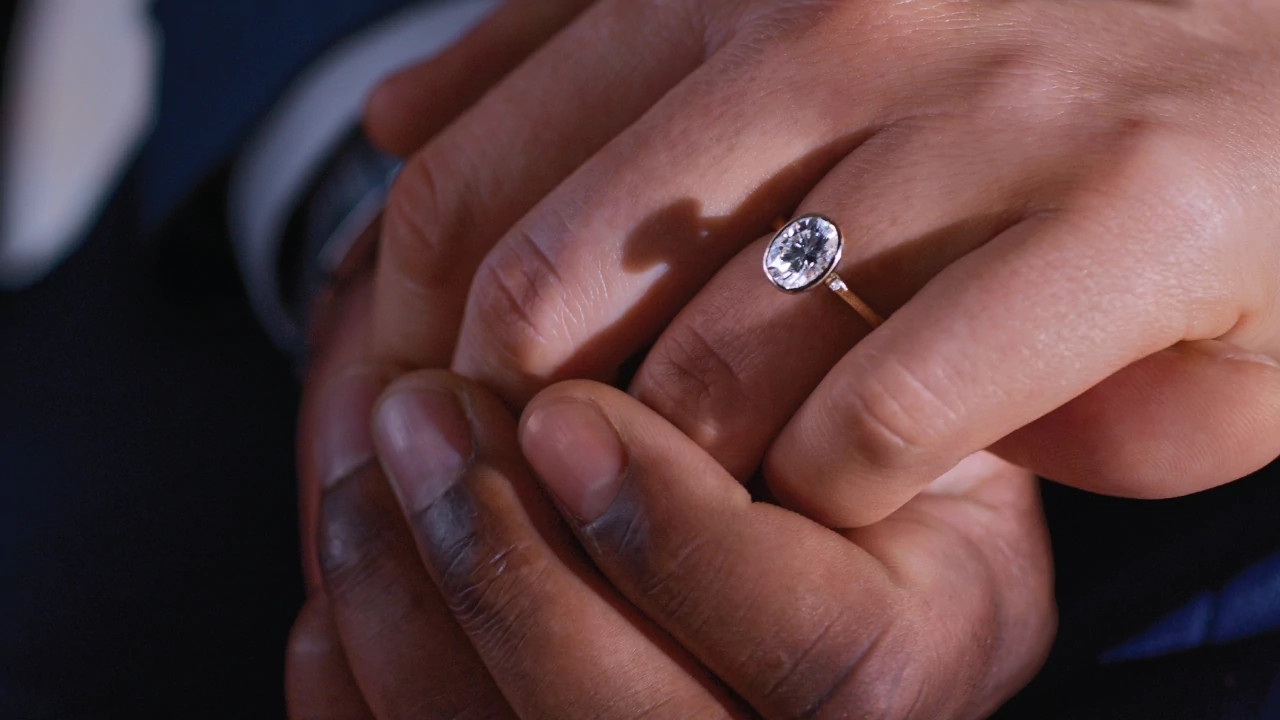
From the moment the love of your life slipped that engagement ring onto your finger, you were smitten. Even now, you find yourself stealing glances throughout the day, catching the sparkle from every angle. It’s hard to imagine being without it, but there are times when it’s better to take it off, especially in environments or activities that increase the risk of damage or loss.
When you should take off your engagement ring or wedding ring
Here are ten situations when it makes sense to remove your engagement ring or wedding ring to help preserve its shine and structural integrity.
At the gym or during workouts
Working out is great for your body, but it can be tough on your ring. Whether you’re lifting weights, using machines, taking a spin class or heading out for a run, your hands are constantly active. Holding weights, gripping gym equipment or accidentally knocking your ring against hard surfaces can bend or misshape the band, scratch the metal, chip gemstones or loosen stones in their settings. As you work up a sweat, perspiration can dull your ring’s shine and make it more likely to slide around your finger.
Even taking your ring off at the gym has its downsides. Rings stored in lockers, gym bags, or near sinks can be misplaced, left behind or stolen. Leaving your ring at home avoids these issues altogether.
During outdoor activities like hiking or biking
Spending time outdoors can expose your ring to more wear than you might expect. Activities like hiking, biking, camping or kayaking often involve uneven terrain and frequent hand use, all of which can put stress on the band and setting. Rocks and debris may scratch the metal or damage gemstones, while dirt can build up and dull its appearance. Temperature changes are another factor. Heat can cause your fingers to swell, while cooler conditions can make them shrink, affecting how securely your ring fits. If you’re planning to be active outdoors, it’s safest to leave your ring at home.
While swimming or in a hot tub
When swimming, it’s best to leave your ring safely on dry land. Whether you’re in a pool, a lake or the ocean, water poses several risks to your treasured piece. Chlorine in pools and hot tubs can be harsh on certain metals, contributing to tarnish and weakening prongs over time. Saltwater can also cause discoloration or affect both the metal and gemstones.
Cold water may make your fingers shrink slightly, loosening the fit and increasing the chance your ring could slip off, especially during swimming or in strong currents. In natural bodies of water, sand, seaweed and debris can cling to your ring, leaving it looking cloudy or scratched.
During extended sun exposure
Long periods in the sun can affect both your ring and your comfort. Heat may cause your fingers to swell, making your ring feel tight or difficult to remove. Extended time outdoors can also expose your ring to sand, sweat and other elements that make it look less shiny than usual. Additionally, if you have a tension-set ring, you’ll need to be extra cautious in extreme heat. While sleek and modern, tension settings are sensitive to any shifts in metal shape. When metal expands in heat—even slightly—it can reduce the security of the setting, making it more likely that a stone will loosen or fall out.
While showering
Have you ever wondered if you can shower with your engagement ring on? The answer is that it’s usually better not to. Soaps, shampoos and conditioners can leave behind a greasy film that dulls its sparkle. Wet, soapy hands can also cause your ring to slide off unexpectedly and potentially disappear down the drain.
While sleeping
Many people sleep with their wedding ring on, but doing so can put unnecessary stress on it over time. Pressure from your body weight can bend or weaken the prongs, while fabric from sheets or blankets can tug at the setting. If you tend to move around in your sleep, you might also knock it against the nightstand or bed frame or even accidentally scratch your partner.
While cooking or washing dishes
Cooking with your wedding ring can be a recipe for disaster. Oils, dough, spices and other ingredients can get trapped in small crevices, making your ring harder to clean. Preparing raw meat or sticky foods may also leave behind residue and bacteria that may transfer between your ring and your food (yuck). There’s also the possibility of your ring slipping off your finger and down the drain, or worse, getting damaged in the garbage disposal.
While cleaning
Household cleaning products can have damaging effects on your ring. Chemicals like bleach, detergents and solvents can be abrasive, potentially wearing down the metal and causing tarnish or discoloration over time. Routine cleaning often involves frequent contact with hard surfaces, which can scratch the metal or chip gemstones.
While gardening or doing yardwork
Gardening and yardwork can quickly take a toll on your ring. Soil, rocks and gardening tools can scratch the metal or damage delicate gems, while dirt can settle into tiny nooks and leave your ring looking grimy. Even gloves aren’t always foolproof, since the friction from pulling them on and off may loosen stones.
While applying skincare, makeup, sunscreen or bug spray
Lotions, creams, cosmetics, sunscreen and bug spray can all leave residue behind on your ring, especially around the setting. Over time, that buildup can make gemstones appear cloudy or less sparkly. Certain ingredients, including alcohol, fragrances and chemicals, may interact poorly with certain metals or gems, potentially causing damage or discoloration.
Other wedding ring care tips
- Don’t leave your ring lying around. Whether you’re cooking, showering, doing chores or heading to bed, place your ring in a sturdy dish or another secure location so it doesn’t get misplaced.
- Store it securely. If you won’t be wearing your ring for an extended period of time, keep it in a soft-lined jewelry box or individual pouch to help prevent scratches and damage.
- Keep it clean. Regular cleaning with a mild soap and water solution helps maintain its shine and prevents buildup.
- Visit a jeweler twice a year. Have your wedding ring inspected regularly to make sure stones and prongs remain secure.
Protect your rings with Jewelers Mutual
Whether it’s an engagement ring, wedding band or another meaningful piece, proper care can help preserve your jewelry, but accidents can still happen. Add another layer of protection with a personal jewelry insurance policy from Jewelers Mutual. This coverage offers protection against loss, theft, damage and disappearance. Unlike homeowners insurance, it’s designed specifically for jewelry, providing repair or replacement without raising your homeowners insurance premium. Check your rate today by clicking the link below!