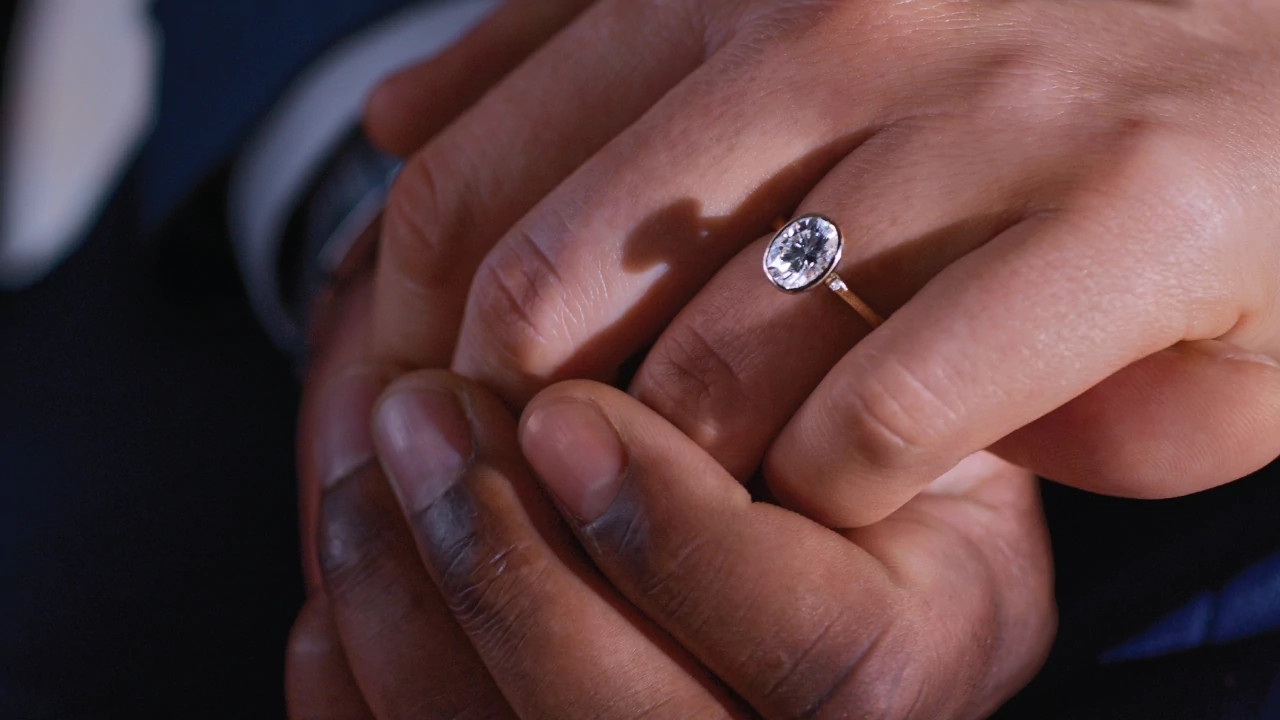
Imagine a piece of jewelry that seems to be entirely constructed out of light. That is the magic of the pavé setting. In this technique, the metal surface is meticulously "paved" with tiny, glittering diamonds. This style creates a seamless shimmering surface that can make any band look like a continuous ring of fire. Whether you are looking at pavé engagement rings for a proposal or a delicate pavé band to stack with your favorites, this setting offers a level of glamour that is hard to beat. Read on to learn what to know about the pavé setting.
What is a pavé setting?
A pavé setting is a jewelry technique where dozens of small gemstones, often diamonds, are set closely together and held in place by nearly invisible metal beads or tiny prongs. Derived from the French word for paved, the name perfectly describes the finished look: a surface that appears encrusted with gems rather than metal. This style dates back centuries but gained significant popularity during the Georgian and Victorian eras, as jewelers looked for ways to maximize the look of jewelry without relying solely on large, expensive single stones.
Today, you’ll find pavé diamond rings and other pavé jewelry in nearly every style, from vintage-inspired to crisp and modern. By using these small diamonds, often called melee, to cover the shank of a ring or the halo around a center stone, jewelers can create an amazing amount of light return. Pavé settings are a versatile choice that adds texture and impactful shine to everything from wedding bands to elaborate pendants and brooches.
Different types of pavé settings
Not all pavé settings are the same. While the general goal is always to create a paved look, different techniques offer varying levels of security, sparkle and smoothness. As you explore different types of engagement ring settings and other pavé jewelry to add to your collection, keep the following pavé setting types in mind.
Micropavé
As the name suggests, micropavé uses the smallest diamonds imaginable—typically stones that are less than 0.01 carats. These tiny gems are set under a microscope with such precision that the metal holding them in place is virtually impossible to see with the naked eye. This creates a delicate, encrusted texture that feels high-end and refined. However, the micropavé’s tiny prongs require a bit of extra care during daily wear, including regular prong inspections and avoidance of abrasive surfaces.
French pavé
The French pavé setting was created to maximize light. In this style, the jeweler creates small, V-shaped cutouts in the metal underneath each diamond. By removing this excess metal, more light can enter the stones from the sides, enhancing the overall sparkle of the pavé band. If you’re looking for a setting that catches the light from every possible angle, check out the French pavé setting.
Channel setting
While often compared to basic pavé settings, a channel setting is slightly more structured. Here, the diamonds are set between two parallel metal walls rather than held by individual prongs or tiny metal beads. This channel protects the edges of the diamonds and creates a smooth, virtually snag-free surface. Channel settings are a great option for active individuals who want the look of pave diamond rings but need a bit more durability.
U-cut pavé
In a U-cut setting, the metal beads holding the diamonds have U-shaped cutouts visible from the side. Like the French style, this reduces the amount of metal you see and highlights the curvature of each stone. The U-cut gives the band a scalloped, wavy appearance from the side view, adding an architectural element to the ring’s design.
Surface prong
This is the most common and traditional way to achieve the pavé look. Each diamond is held by its own set of tiny metal prongs that sit on the surface of the band. Depending on the specific jeweler’s style, these prongs can be rounded, pointed or even square. This is a very secure way to set pavé diamonds, as each stone is anchored individually.
Shared prong
In a shared prong setting, one prong serves double duty, holding the edges of two adjacent diamonds. By sharing prongs, less metal is needed overall, allowing the diamonds to sit closer together. This results in more diamond surface area and a look that focuses entirely on the stones rather than the metal framework.
Bezel setting
For a sleek, modern and secure look, the bezel setting surrounds each small diamond with a thin rim of metal. While this uses more metal than a traditional pavé ring setting, it offers the best protection against chipping or losing stones. Bezel pavé settings are an excellent choice if you’re planning to build your own engagement ring and want a more contemporary look.
Bar setting
The bar setting is a variation where short metal bars are placed between each diamond to hold them in place. This creates a linear, patterned look that works beautifully with round or baguette-cut diamonds. Because the sides of the diamonds remain open, light can flow through easily, keeping the sparkle high while maintaining a secure structure.
Is the pavé ring setting right for me?
When deciding on the perfect ring setting, there should be a balance between aesthetics and lifestyle. If you are looking for maximum brilliance, prefer a dainty silhouette, or want a way to make a smaller center stone appear larger, a pavé ring setting should definitely be on your radar.
However, if you prefer a minimalist look or don't like the feel of a textured band against your fingers, a pavé setting may not be right for you. When you’re looking for ring settings, keep in mind that pavé is more delicate than a solid metal band, so it requires a wearer who is mindful of their hands. It is the ultimate choice for glamour, but it demands a bit more appreciation for the fine craftsmanship involved.
How to care for a pavé diamond ring
Because pavé jewelry features many tiny stones held by even tinier metal beads, it requires a specific maintenance plan to keep it looking its best. While it can be worn daily, you should avoid wearing your ring during strenuous activities like weightlifting or gardening, as a hard knock can dislodge a small diamond or bend a prong. When cleaning, avoid harsh chemicals or ultrasonic cleaners if the setting is particularly delicate. Instead, a soft-bristled toothbrush and warm, soapy water are usually the safest bets. It’s also smart to have a jeweler inspect your pavé diamonds at least once a year to ensure no prongs have loosened over time. Storing your jewelry in a soft pouch, away from other jewelry, will prevent diamonds from scratching your other pieces. By following these basic care tips, you can help ensure your shimmering pavé jewelry remains a showstopper for decades.
Protect your pavé jewelry with Jewelers Mutual
Now that you know how to choose and care for these intricate designs, you can shop with confidence. Whether you decide to build your own engagement ring or select a vintage-inspired pavé band, make sure your jewelry is protected. With the right care and the right coverage, your pavé pieces will continue to sparkle as brightly as the day you first put them on. While home and renters insurance may offer some jewelry coverage, low coverage limits and high deductibles can leave you underinsured--costing you more out of pocket when it matters most. Click the button below to check your rate today!